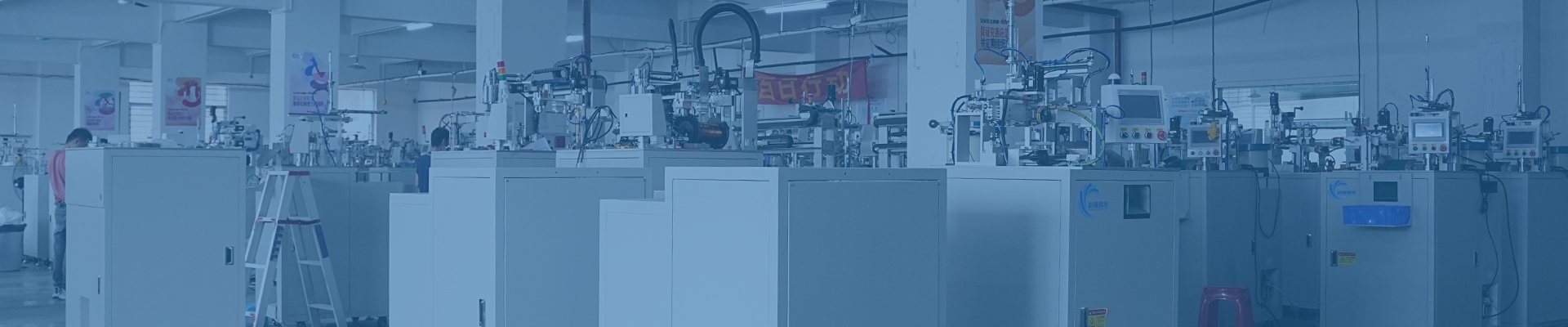
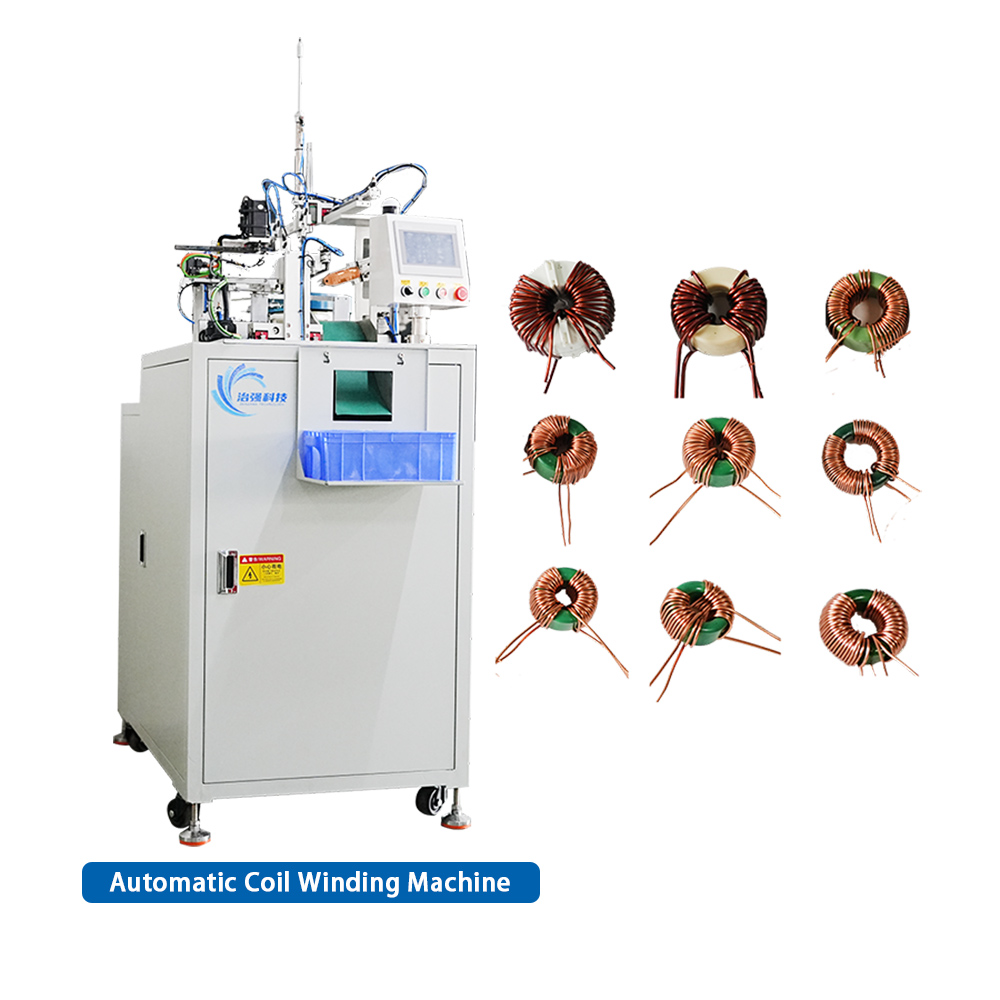
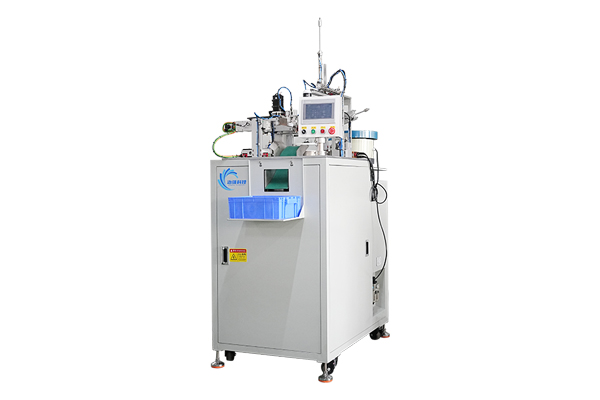
The Automatic Coil Winding Machine is an essential piece of equipment designed for the efficient and precise production of coils used in various applications. This advanced machine automates the winding process, which not only boosts productivity but also ensures high consistency and quality in the finished products, thereby reducing the need for manual labor.
The Automatic Coil Winding Machine is a precision winding system developed for the controlled production of inductors, coils, transformers, chokes, and other wound magnetic components. By integrating automated wire feeding, programmable turn counting, winding speed control, wire positioning, and process monitoring, the machine provides a repeatable winding process for demanding electronic and electrical component manufacturing.
Unlike a general-purpose cable coiling system, an automatic coil winding machine is designed around the electrical and mechanical requirements of the finished component. Turn count, winding tension, winding pitch, layer distribution, and coil geometry must be controlled consistently because they can directly influence inductance, resistance, coupling, insulation reliability, and overall component performance.
For a broader explanation of the difference between cable winding and precision coil winding equipment, see What Is a Cable Winding Machine Called?.
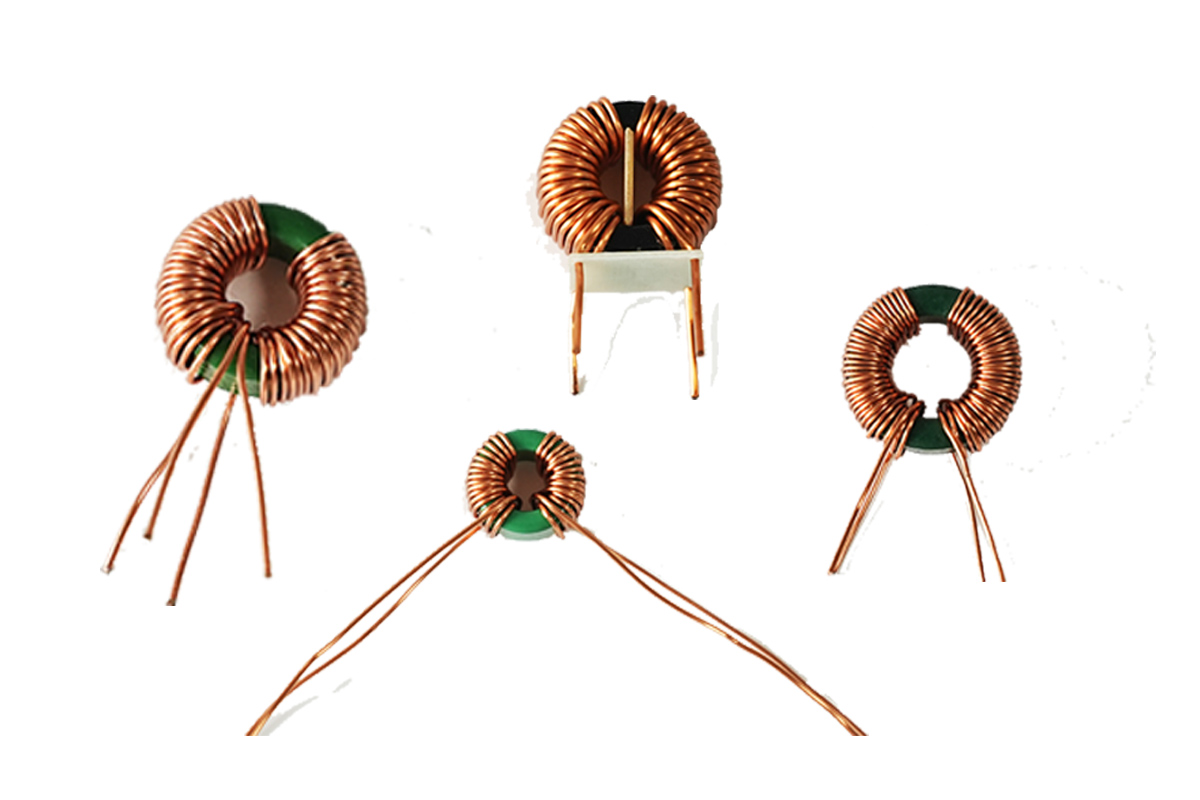
Automatic coil winding equipment can be configured for a range of magnetic and electromagnetic components, including:
Inductor Coils – Power inductors, filtering inductors, RF coils, and other wound inductive components.
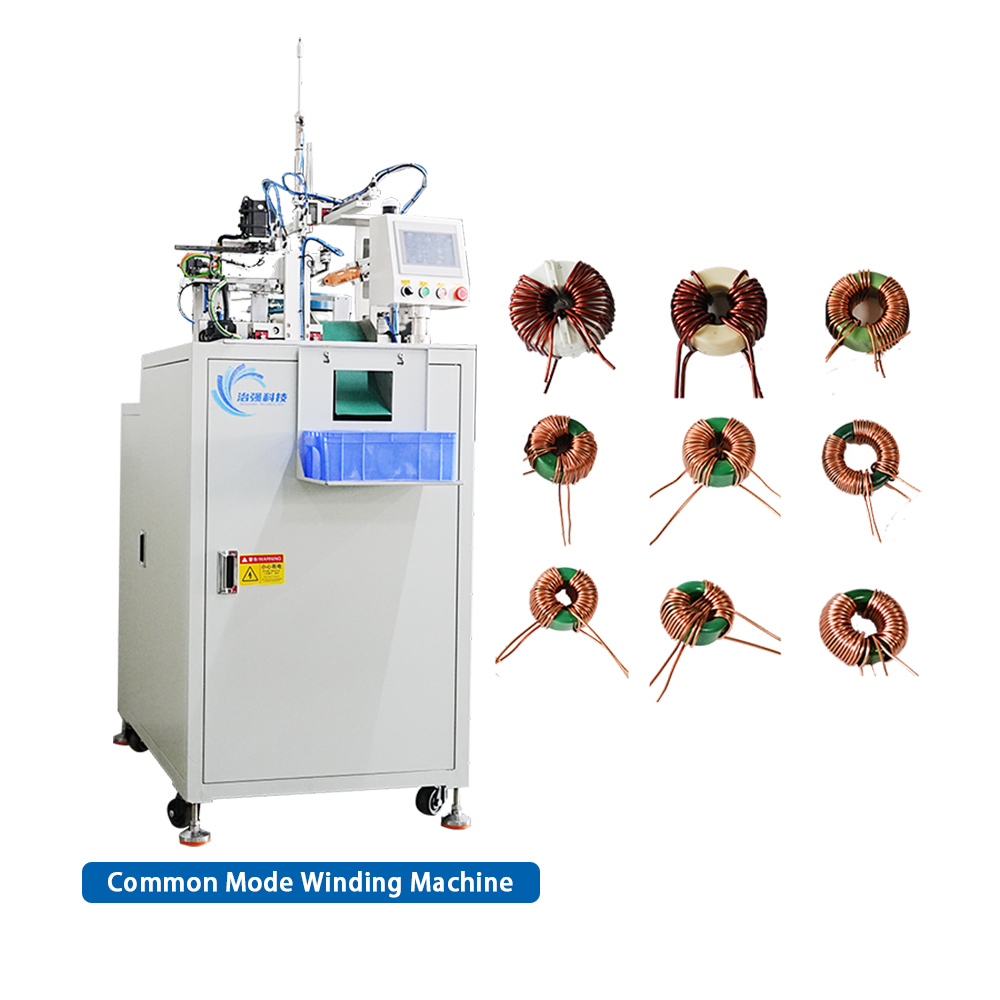
Common Mode Chokes – Multi-winding magnetic components used for EMI and noise suppression.
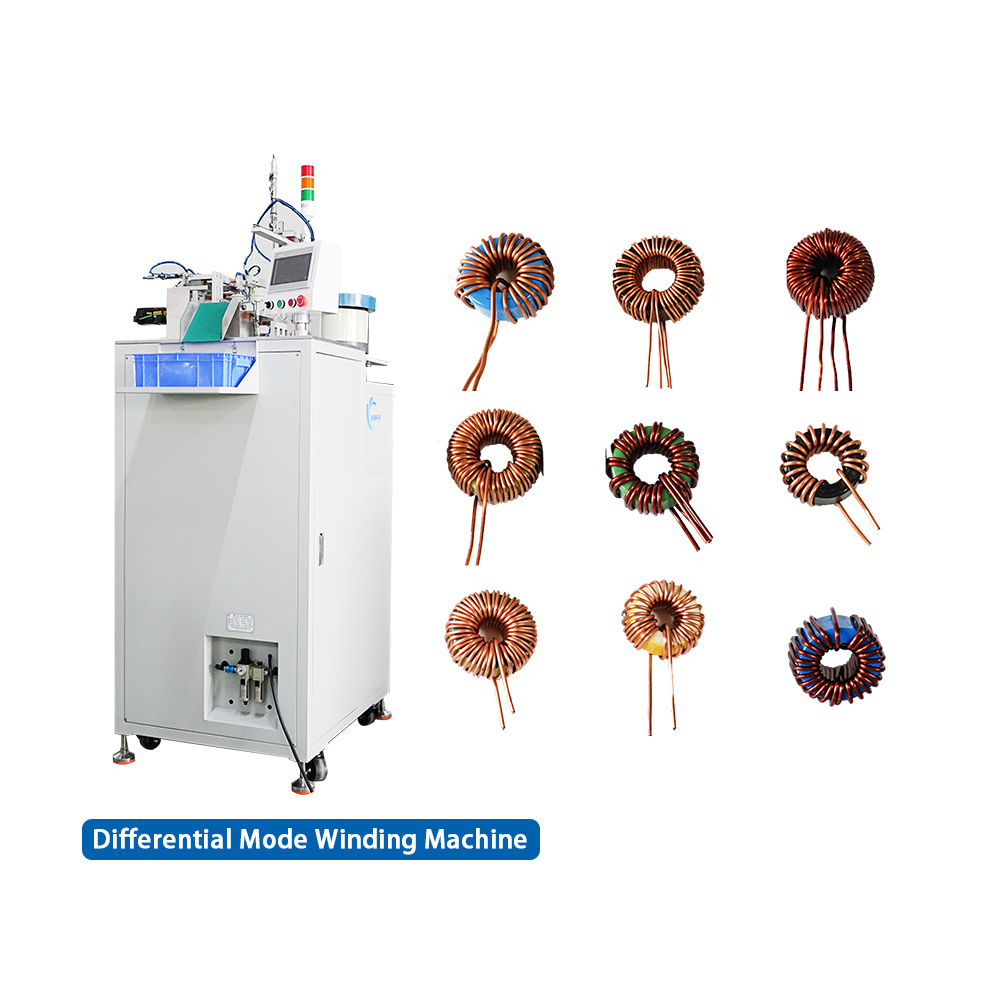
Differential Mode Inductors – Filtering components used in power electronics and electromagnetic interference control.
Transformer Coils – Primary and secondary windings for electronic and power transformers.
Sensor Coils – Precision wound coils used in sensing and detection systems.
Relay and Solenoid Coils – Electromagnetic coils requiring controlled turn count and winding geometry.
Selected Motor Coils – Winding applications where the machine configuration matches the motor coil structure.
Different products require different winding mechanisms. A machine optimized for a conventional inductor should not automatically be considered suitable for a multi-wire common mode choke or a specialized butterfly coil. The winding method should always be matched to the core structure, wire specification, winding pattern, and production requirements.
In precision coil manufacturing, the winding process is an important part of the component design rather than simply a material-handling operation.
The number of turns determines an important part of an inductor's electrical characteristics, while the distribution of the wire affects the physical geometry of the winding. For transformer and coupled-inductor applications, the relative position of multiple windings can also influence magnetic coupling.
For this reason, the machine provides programmable control over key winding parameters, allowing the production process to be established according to the technical requirements of the component.
The control system allows operators to establish winding parameters such as turn count, winding speed, winding position, and other process settings. Once validated, these parameters can be repeatedly applied during production to improve process consistency.
An automatic wire feeding system reduces manual intervention and provides a controlled supply of wire during the winding cycle. The feeding configuration can be selected according to wire diameter, insulation characteristics, and production requirements.
Turn count is a fundamental parameter in the production of inductors, transformers, chokes, and other magnetic components. The automatic counting function helps prevent under-winding and over-winding caused by manual operation.
Consistent turn counting is particularly important when components are manufactured to tight inductance or electrical performance tolerances.
Wire tension has a direct effect on winding density and coil geometry.
Excessive tension can stretch fine enamelled wire, damage insulation, or increase the risk of wire breakage. Insufficient tension may produce loose or irregular winding.
The winding system can therefore be configured to provide appropriate tension control according to the wire and product requirements.
Different coil designs require different winding patterns. Depending on the machine configuration, parameters such as winding speed, number of turns, winding position, layer arrangement, and wire spacing can be adjusted for different product specifications.
This makes the equipment suitable for manufacturers producing multiple coil configurations rather than a single fixed product.
A PLC-based control system and touchscreen interface allow operators to configure production parameters, monitor operating status, and identify machine alarms.
The interface is designed to simplify setup and reduce unnecessary manual adjustments during repetitive production.
Safety functions can include emergency stop protection, overload protection, fault alarms, and other machine safeguards. These functions help protect operators and equipment during automated operation.
| Parameter | Specification |
|---|---|
| Winding Type | Automatic coil winding |
| Winding Speed | Adjustable according to product and machine configuration |
| Turn Count | Programmable with automatic counting |
| Wire Feeding | Automatic wire feeding system |
| Wire Tension | Adjustable according to wire specification |
| Winding Pattern | Programmable according to coil design |
| Compatible Wire | Enameled copper wire, copper wire, aluminum wire and other compatible materials |
| Core/Bobbin Size | Configurable according to product requirements |
| Control System | PLC-based control with touchscreen interface |
| Automation | Automatic winding and process control |
| Customization | Available according to product structure and production requirements |
Note: Actual wire diameter range, winding speed, core dimensions, production capacity, power requirements, and machine dimensions depend on the specific machine configuration. Technical parameters should be confirmed according to the customer's coil design before equipment selection.
Automated control reduces variations caused by manual winding and provides a repeatable process for high-volume production.
Programmable turn counting, wire positioning, and tension control help maintain consistent coil geometry and electrical characteristics.
Automatic feeding and winding reduce repetitive operator tasks and allow personnel to focus more on machine supervision and quality inspection.
Programmable parameters allow the machine to accommodate different winding specifications where the machine's mechanical configuration is compatible with the required product.
Once the correct parameters have been validated, the same winding process can be reproduced across production batches, helping manufacturers maintain stable product quality.
For manufacturers producing inductors, chokes, and other magnetic components, machine selection should be based on the actual winding structure rather than simply the advertised winding speed.
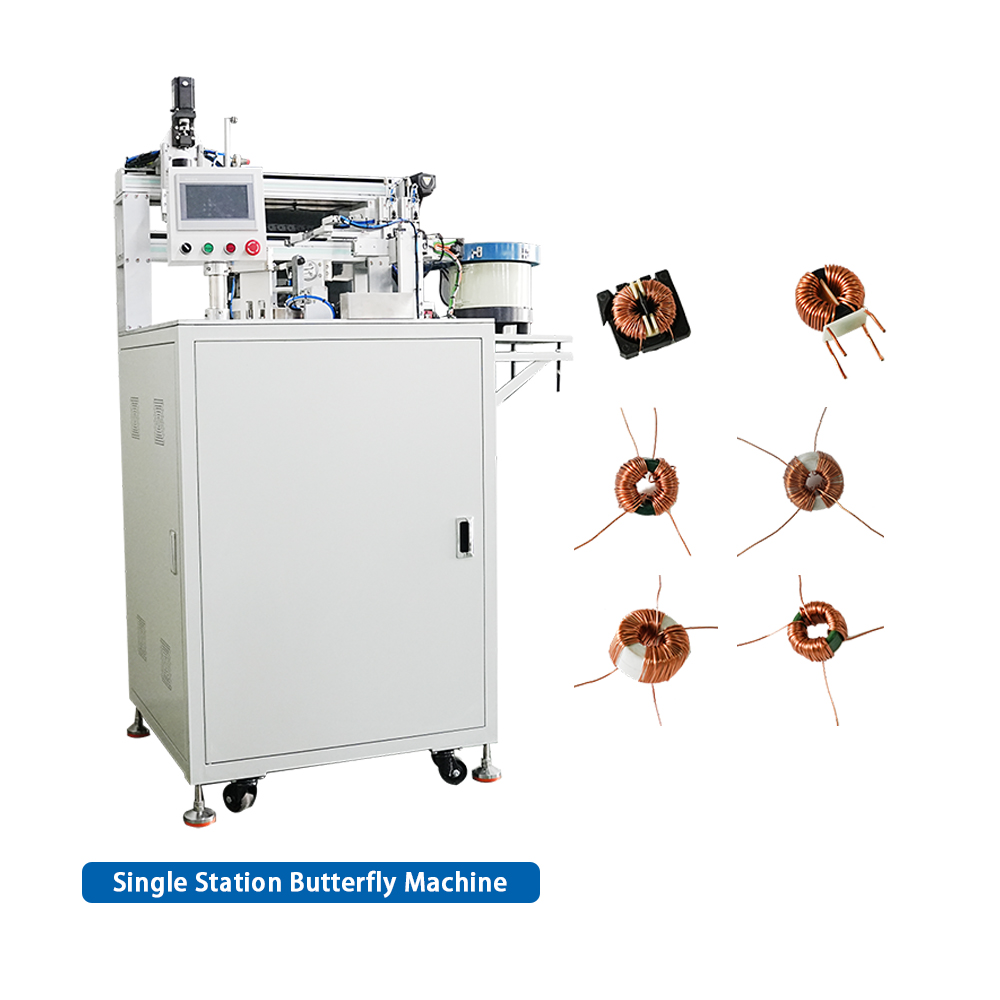
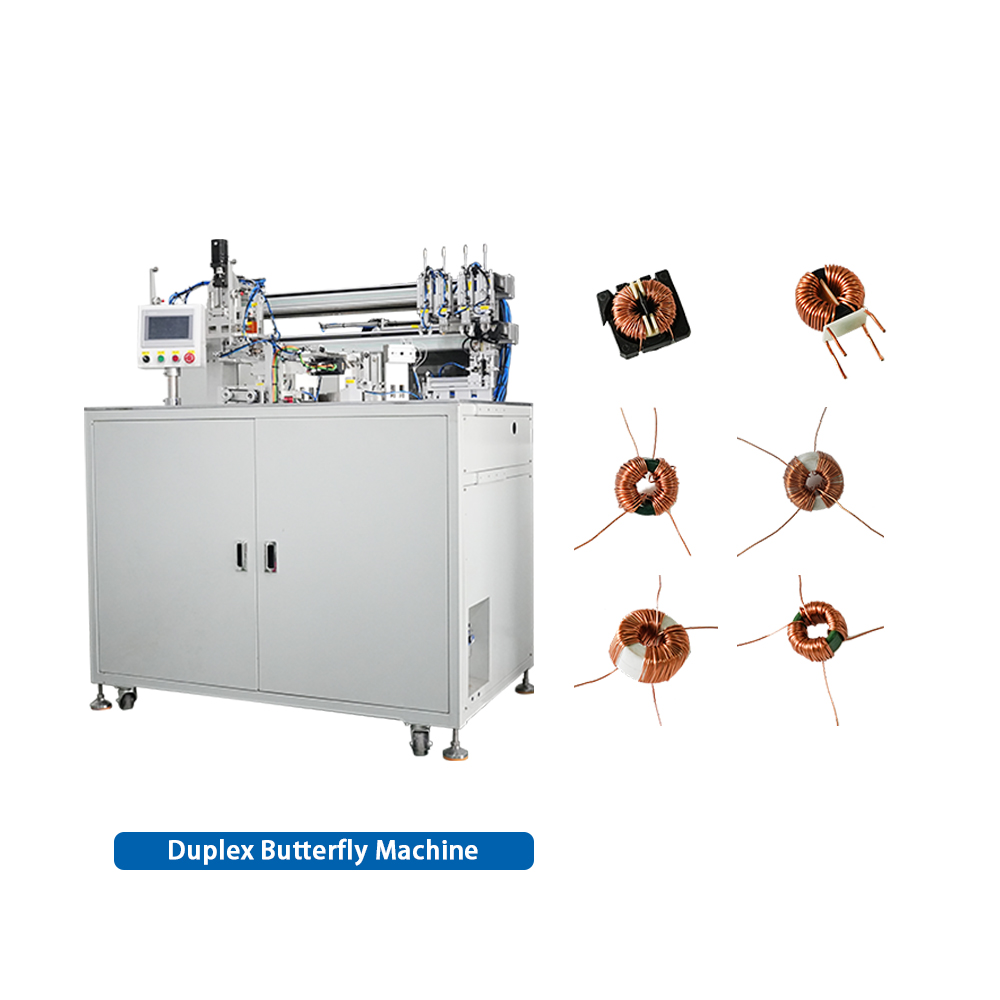
For example, common mode choke winding may require controlled winding of multiple conductors, while differential mode inductors may have different winding requirements. Specialized butterfly winding applications require an equipment configuration specifically designed for their winding structure.
This distinction is important when building an automated magnetic component production line. Chikeung provides specialized winding equipment for different winding requirements, including Common Mode Winding Machines, Differential Mode Winding Machines, Single Station Butterfly Machines, and Duplex Butterfly Machines.
For additional information about winding equipment terminology and the differences between cable winding and coil winding, refer to What Is a Cable Winding Machine Called?.
You can also learn more about the working principles and selection of winding equipment in the related winding machine article.
Before selecting an automatic coil winding machine, manufacturers should provide detailed information about the component and production requirements, including:
Wire material and diameter
Core or bobbin dimensions
Required number of turns
Number of winding wires
Single-layer or multi-layer structure
Winding pitch and distribution
Required winding tension
Target production volume
Required automation level
Product changeover requirements
Required dimensional and electrical tolerances
These parameters allow the winding mechanism, feeding system, control configuration, and automation level to be matched to the actual product.
A high-speed machine is not necessarily the best solution if the application requires extremely fine wire handling or complex multi-wire winding. Likewise, a highly specialized machine may not be necessary for a simple, high-volume coil.
The most effective solution is therefore the one that balances winding accuracy, process stability, production capacity, flexibility, and total manufacturing requirements.
Depending on the machine configuration, it can produce inductors, chokes, transformer coils, sensor coils, relay coils, solenoid coils, and selected motor coils.
The compatible wire depends on the machine configuration. Common materials include enameled copper wire, copper wire, and aluminum wire. Wire diameter and insulation specifications should be confirmed before selecting the equipment.
Stable tension helps maintain uniform winding density and geometry. Excessive tension may damage fine wire or its insulation, while insufficient tension can result in loose or irregular winding.
Yes. Depending on the winding mechanism and control configuration, the machine can be designed for different layer structures, turn counts, and winding patterns.
Yes, where the machine configuration is suitable for the required multi-winding structure. For specialized common mode choke production, a dedicated Common Mode Winding Machine may provide a more appropriate solution.
Butterfly coils require a specialized winding configuration. For these applications, a dedicated Butterfly Winding Machine should be evaluated according to the coil structure and production requirements.
The most important information includes wire diameter, core or bobbin dimensions, turn count, winding structure, number of wires, required production capacity, and automation level. Based on these parameters, the appropriate winding mechanism and machine configuration can be determined.

Specialised in automated winding equipment and system development, production, sales and technical services as one of the high-tech enterprises.

+0769 82312151
+86 135 8090 8886
+86 132 6737 9998
3F, No.51 Minghua Road, Liangjia Village, Shijie Town, Dongguan City, Guangdong Province, China
Copyright © 2026 Dongguan Zhiqiang Electronic Technology Co., LTD | Privacy Policy | Terms and Conditions